Kefta and Eggs Tagine
Morocco - north Africa
prep: 10 min - Cooking: 35 min
-
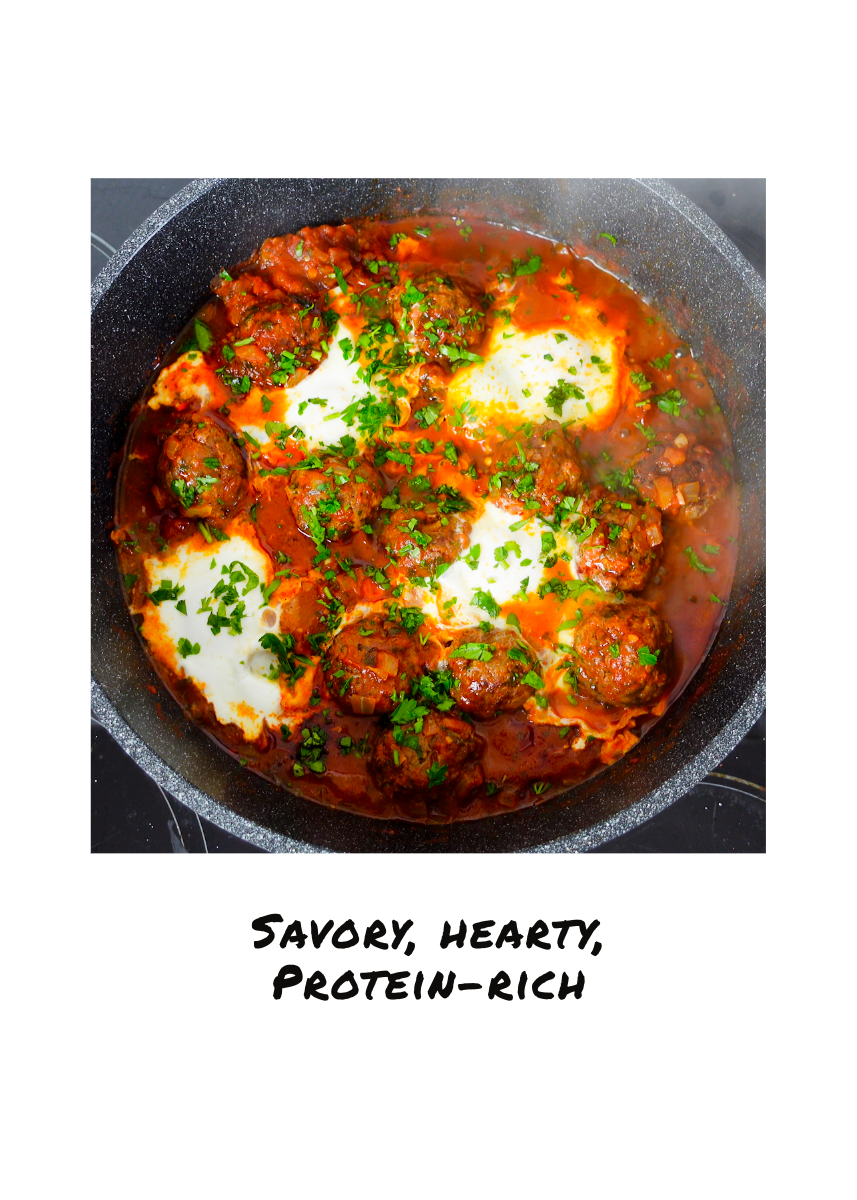
Kefta and Egg Tagine is a classic Moroccan comfort dish consisting of seasoned meatballs simmered in a spiced tomato sauce, topped with eggs poached directly in the sauce.
While ground beef or poultry are common modern choices, traditional recipes often utilise ground lamb or a beef-lamb blend for added richness. As the tomato sauce cooks down, it absorbs the aromatic spices and savory juices from the meat.
Simple to assemble and packed with protein, this tagine is best served straight from the pot with warm flatbread (or any crusty loaf).
Ingredients
For 3 servings
For the Kefta meatballs:
350g minced lamb (or beef)
½ large onion, finely chopped (or 1 small onion)
2 garlic cloves, minced
2 tsp cumin
2 tsp paprika or smoked paprika
Salt and black pepper (about ⅓ tsp each)
45g parsley, finely chopped
45g coriander, finely chopped
1–2 tsp olive oil, for cooking
For the sauce:
½ large onion, finely chopped (or 1 small onion)
2 garlic cloves, minced
1 can peeled tomatoes (400g)
2 tsp cumin
2 tsp paprika or smoked paprika
Salt and black pepper (about ⅓ tsp each)
45g parsley, finely chopped
45g coriander, finely chopped
4 eggs
1 tsp olive oil, for cooking
Here is how I Made IT
One: The Kefta Meatballs
1. Place the lamb in a bowl with 1 tsp smoked paprika, 1 tsp ras el hanout, 1 tsp salt, and a good drizzle of olive oil. Give it a proper massage so every piece of meat is well coated.
Onion, coriander, parsley
2. Season the minced meat with half of the onion, half of the garlic, 1 tsp cumin, 1 tsp paprika, ⅓ tsp salt, a grind of black pepper, and half of the chopped herbs. Mix well, then shape into golf-ball-sized meatballs.
Minced meat, onion, garlic, cumin, paprika, salt, black pepper, coriander, parsley
3. Heat a generous drizzle of olive oil in a large pan or Tagine. Brown the kefta meatballs on all sides, on medium heat, then remove them from the pan.
Olive oil, kefta meatballs
Two: The Sauce
4. Using the same pan and all those delicious juices left behind by the meatballs, add 1 tsp cumin and 1 tsp paprika. Toast the spices for about 2 minutes to bring out their flavour, then stir in the remaining onion and garlic.
Cumin, paprika, onion, garlic
5. Add an extra drizzle of olive oil to allow the tomatoes to confit properly, followed by the canned peeled tomatoes and most of the remaining chopped herbs (save a few leaves for serving). Cover and let everything cook down for around 10 minutes, until the sauce turns a deep, brick-red colour.
Olive oil, canned peeled tomatoes, coriander, parsley
Three: Bring It Together
6. Return the meatballs to the sauce and simmer for another 10 minutes, lid on. By this point, the tomatoes should have softened and cooked down into a concentrated, almost caramelised sauce, with all the flavours of the kefta worked into it.
Four: The Eggs
7. Crack the eggs directly into the sauce. Cover again and cook for around 5 minutes, more or less depending on how you like your eggs.
Eggs
8. Scatter over the reserved fresh herbs and serve piping hot with warm flatbread.
Coriander, parsley
-
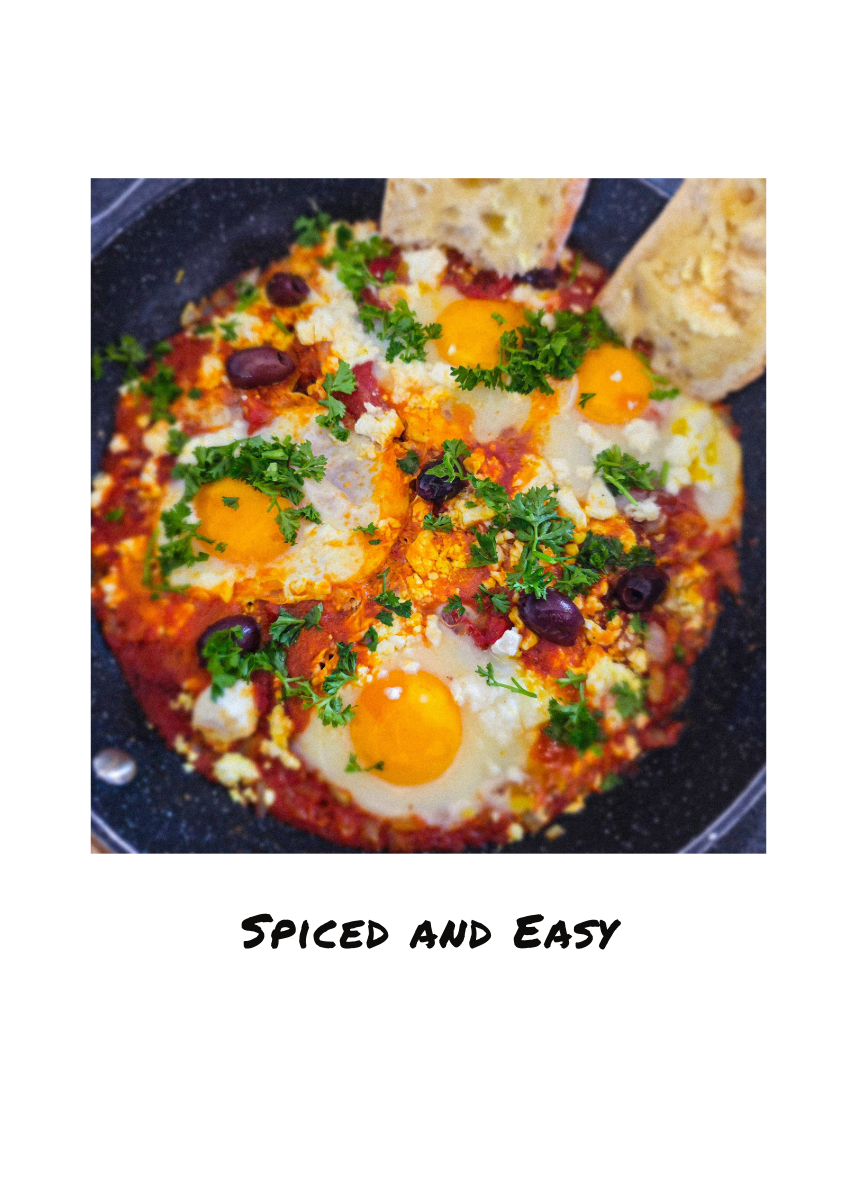
Because it uses accessible ingredients and cooks quickly, locals often call this dish the ultimate "student tagine." And if you happen to run out of meat entirely? No problem—simmering just the spiced tomato sauce and cracking the eggs on top turns it into a delicious, instant classic closely related to shakshouka.
-
That tall, pointed lid isn't just decorative—it's a clever piece of culinary design. As the tagine simmers, steam rises, hits the cooler walls at the top of the cone, condenses, and trickles back down over the meat. This endless self-basting loop cooks everything gently in its own juices, meaning you barely need any added water for perfect tenderness.
-
The tagine’s invention goes back to North Africa’s Amazigh (Berber) nomads. While the iconic conical earthenware pot is closely tied to towns like Tafraout in the Anti-Atlas mountains, slow-steamed claypot cooking became a staple right across North Africa. Over centuries, Arab, Andalusian, and Eastern trade influences enriched the tradition, bringing warm spices, dried fruits, honey, and preserved lemons into the mix.
Nutrional Info
APPROX. FOR 1 serving (350G)
| Calories | Fat | Sat Fat | Carbs |
|---|---|---|---|
| 490 kcal | 34 g | 13 g | 16 g |
| Sugar | Fibre | Protein | Salt |
| 7 g | 5 g | 32 g | 1 g |